.
.
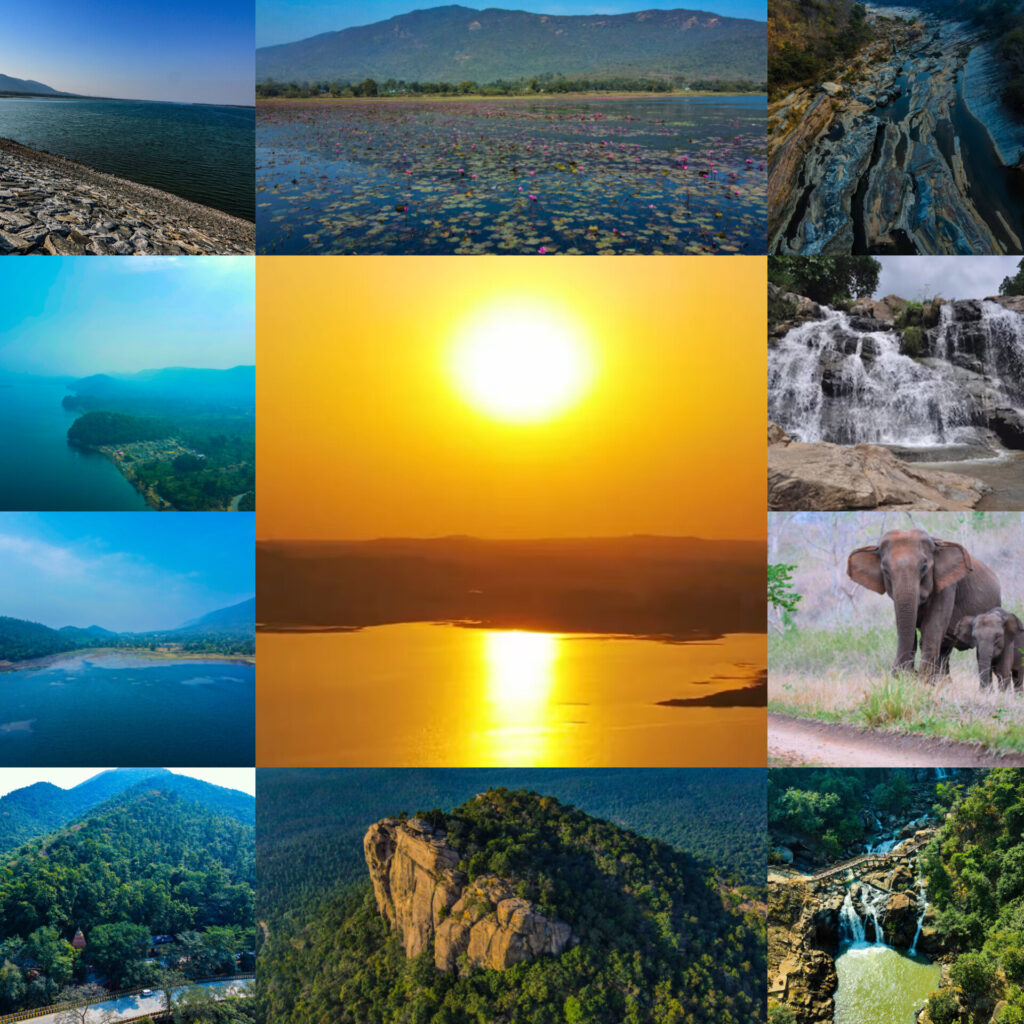
Jharkhand, known as the “Land of Forests,” is a nature-heavy destination in eastern India, celebrated for its waterfalls, ancient temples, and vibrant tribal culture.
The state is famous for its diverse flora and fauna, often referred to as a “kaleidoscope of past splendours”.
Eco – Tourism in Jharkhand
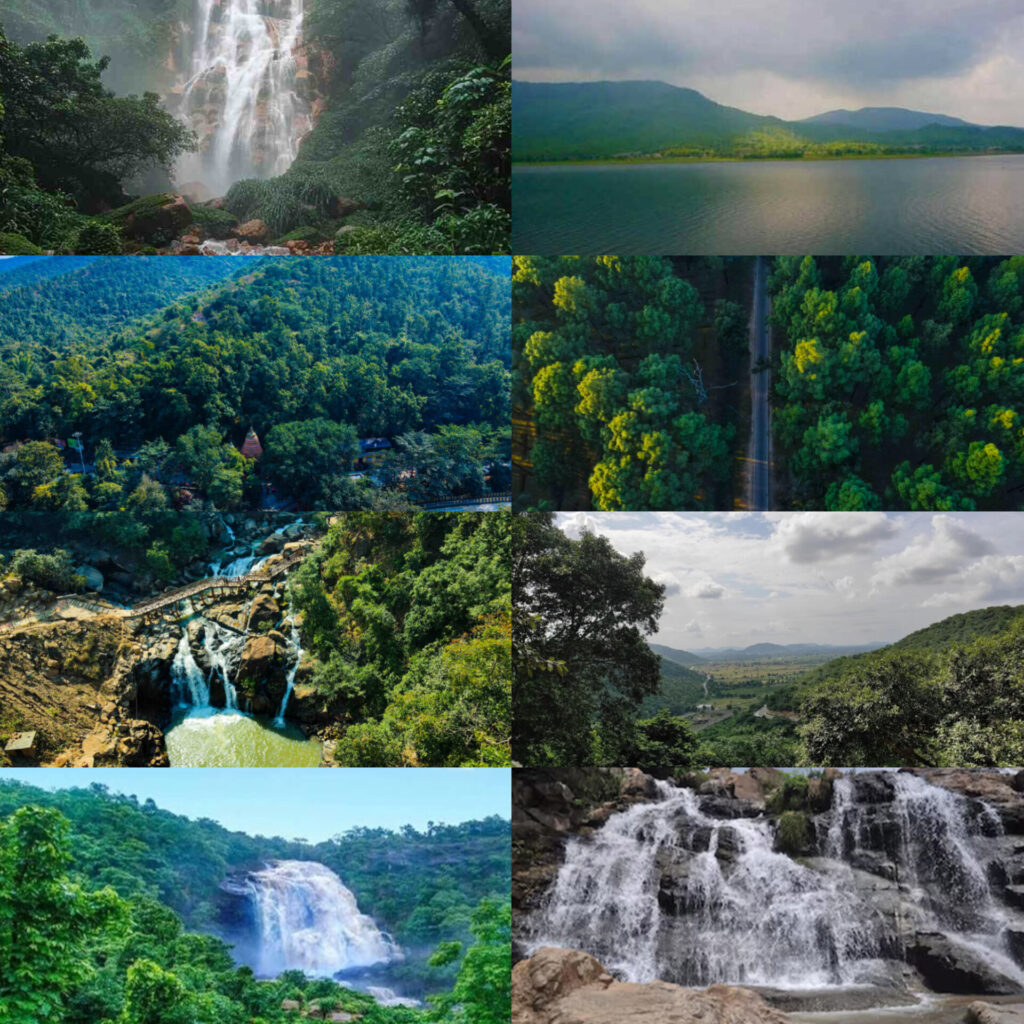
Jharkhand offers rich eco-tourism opportunities, featuring nearly 29% forest cover, dense forests, waterfalls, and diverse wildlife. Key spots include Betla National Park, Netarhat, and Dalma Wildlife Sanctuary, alongside scenic spots like Patratu Valley and various dams. The state blends nature, tribal culture, and adventure for responsible travel experiences.
Adventure Tourism
Adventure tourism in Jharkhand offers thrilling experiences across its hilly terrain, dense forests, and numerous waterfalls, with key hubs including Patratu Valley, Netarhat, and Dalma Wildlife Sanctuary. Top activities include trekking, rock climbing, paragliding, and water sports at over 15 identified spots like Dimna Lake and Chandil Dam.

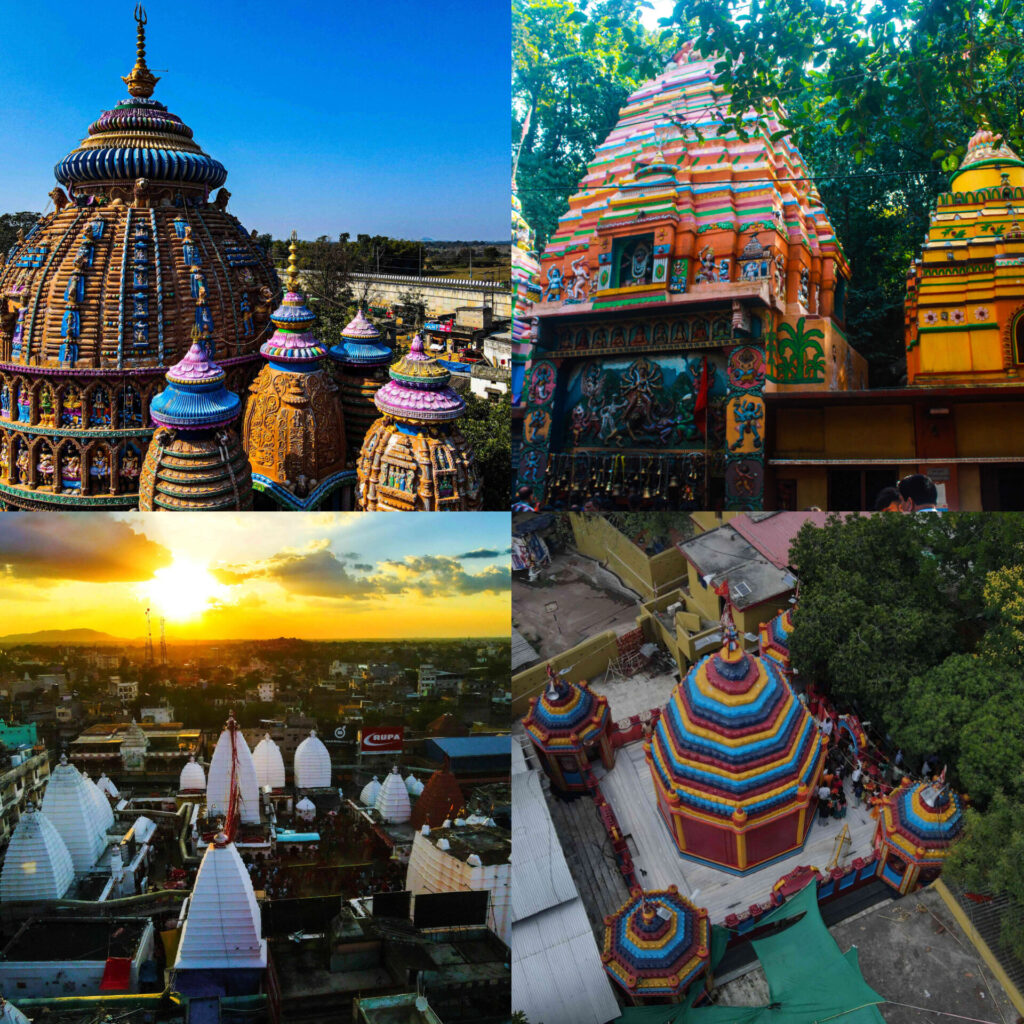
Religious tourism in Jharkhand
Religious tourism in Jharkhand centers on ancient Shiva temples, Shakti Peethas, and significant Jain and tribal pilgrimage sites. Key destinations include the Baba Baidyanath Dham (a Jyotirlinga), Rajrappa’s Chhinnamasta Temple, and the Parasnath Hills. The state offers a spiritual blend of Hindu, Buddhist, and Jain heritage, deeply intertwined with rich tribal cultural traditions.
Tribal life of jharkhand
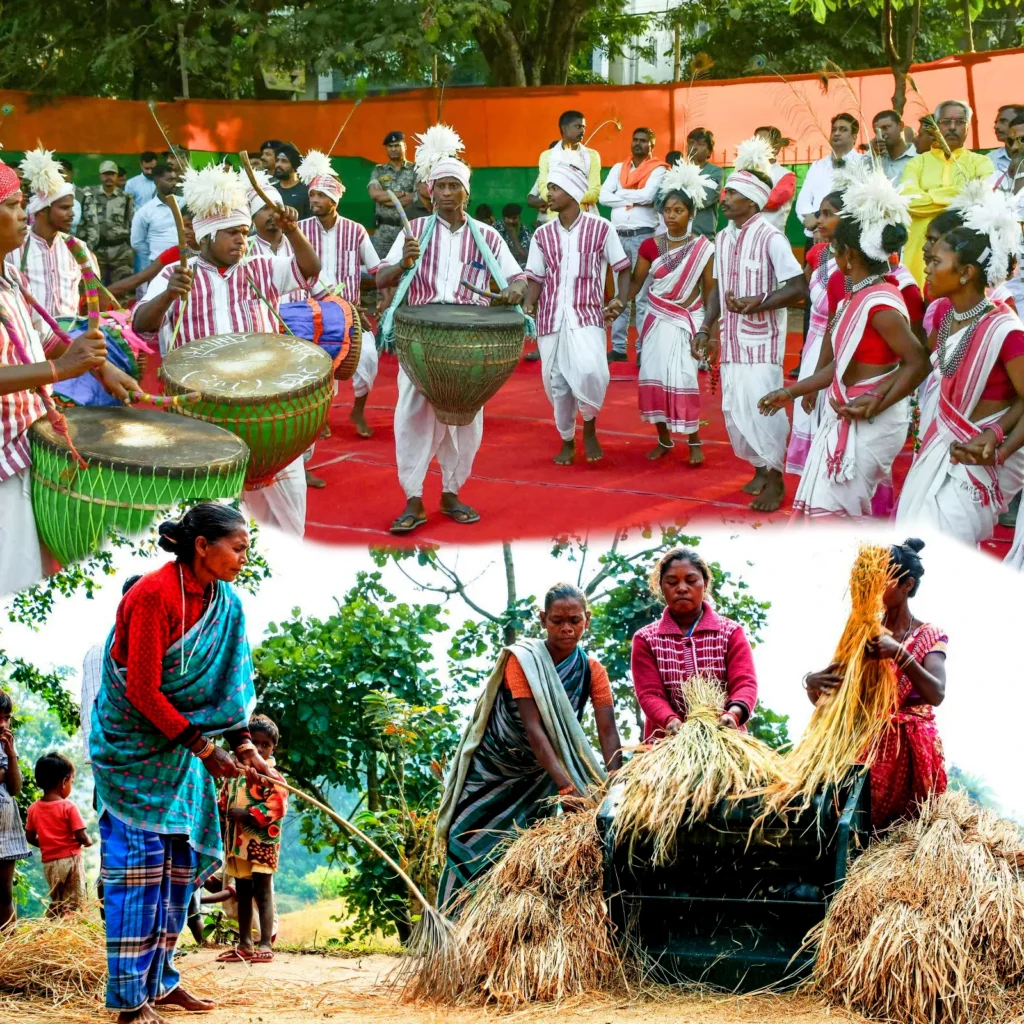
Jharkhand is home to 32 distinct Scheduled Tribes, with a population exceeding 8.6 million, representing 26.21% of the state’s total population according to the 2011 census. These communities are predominantly rural (91.7%) and include major groups like the Santhal, Munda, Oraon, and Ho, along with eight specifically recognized primitive tribes.
Key Tribes of Jharkhand
- Major Tribes: Santhal, Munda, Oraon, Ho, Kharia, Bhumij, and Gond are among the most populous.
- Primitive Tribes (Particularly Vulnerable Tribal Groups): Asur, Birjia, Birhor, Kharwar, Parhaiya (Baiga), Saber, Malpahariya, and Sauria Pahariya.
- Cultural Classifications: Tribes are classified by lifestyle, including hunter-gatherers (Birhor, Korwa), shifting agriculturalists (Sauria Paharia), simple artisans (Mahli, Lohra), and settled agriculturists (Santhal, Munda)
Culture and Heritage
- Festivals: Nature-centric festivals are central to their culture, including Sarhul (spring festival), Karam (worship of the god of power), and Tusu Parab (harvest festival).
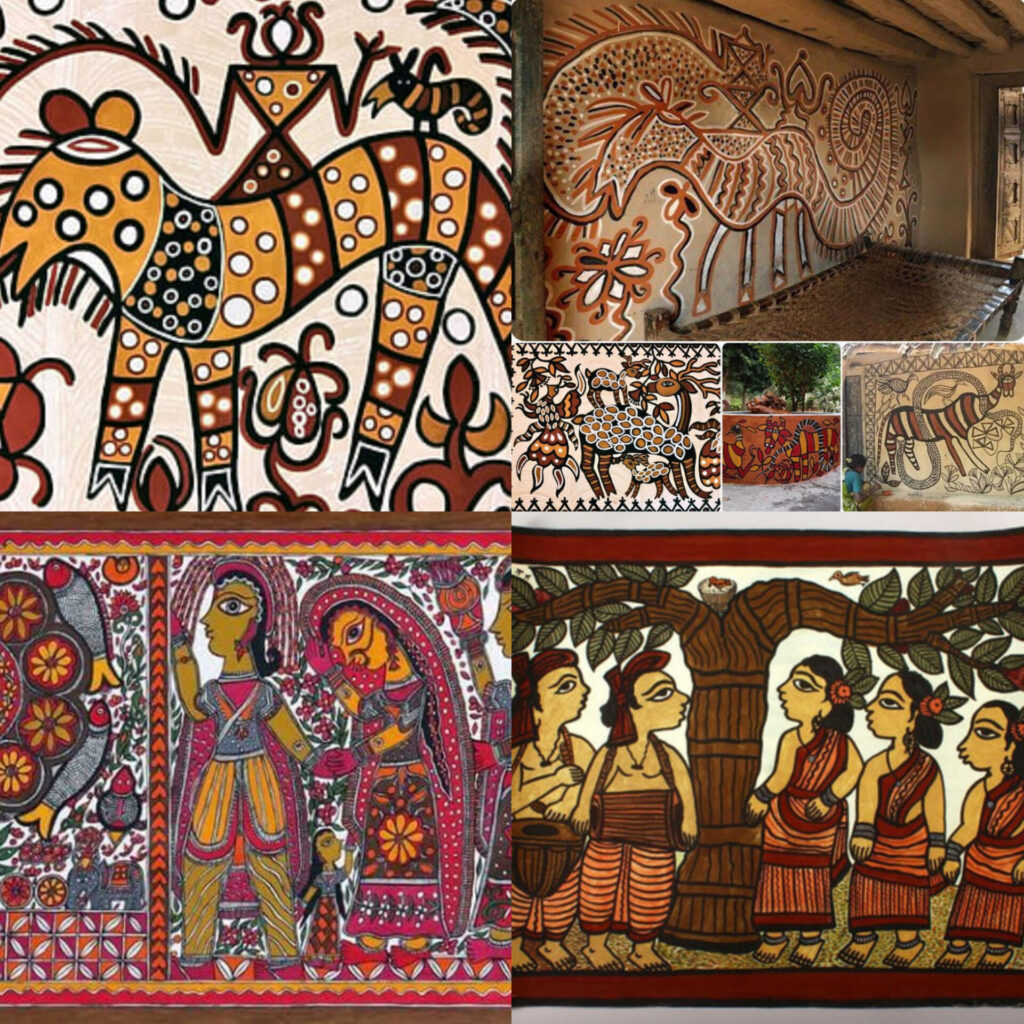
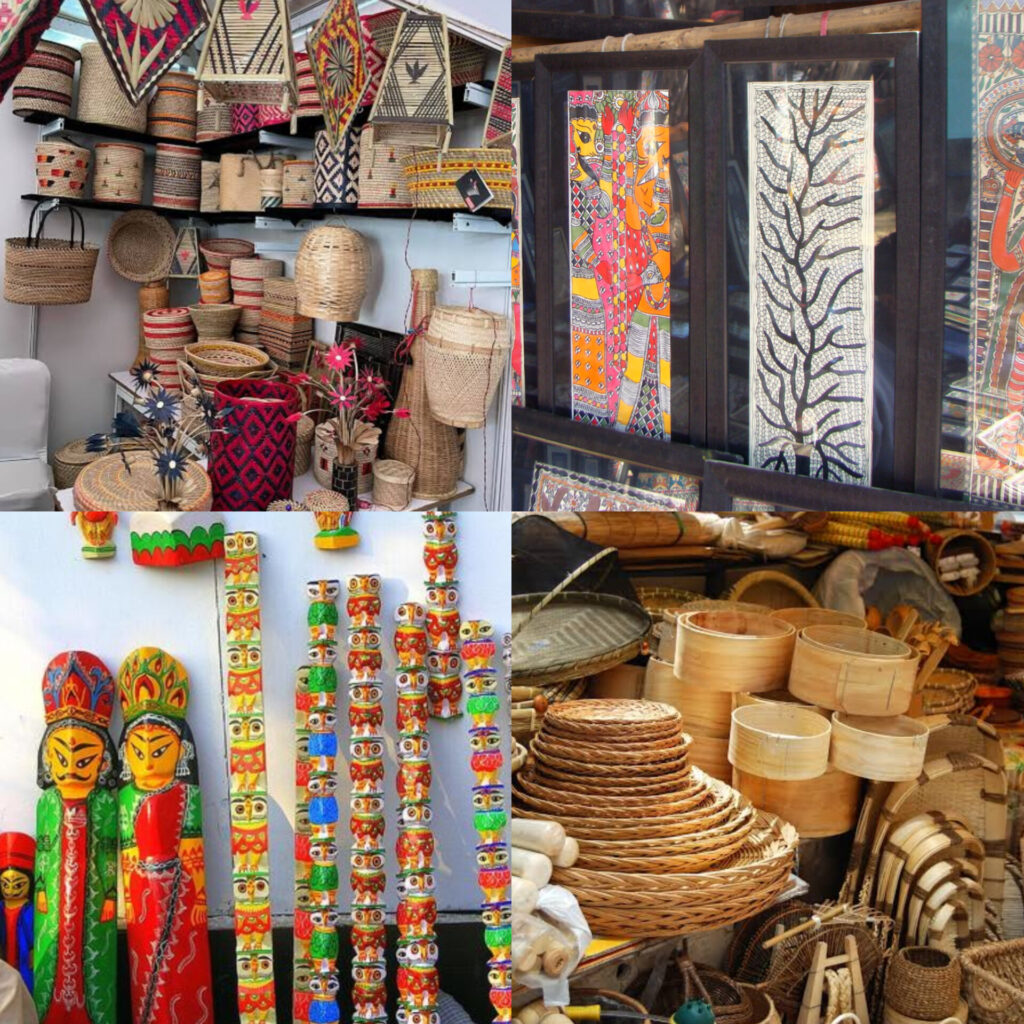
- Art Forms: Tribal art includes Paitkar paintings, UNESCO-listed Sohrai murals, and traditional Dhokra metalwork.
These communities are known for their rich cultural, linguistic, and ecological traditions, deeply connected to the forests and land.